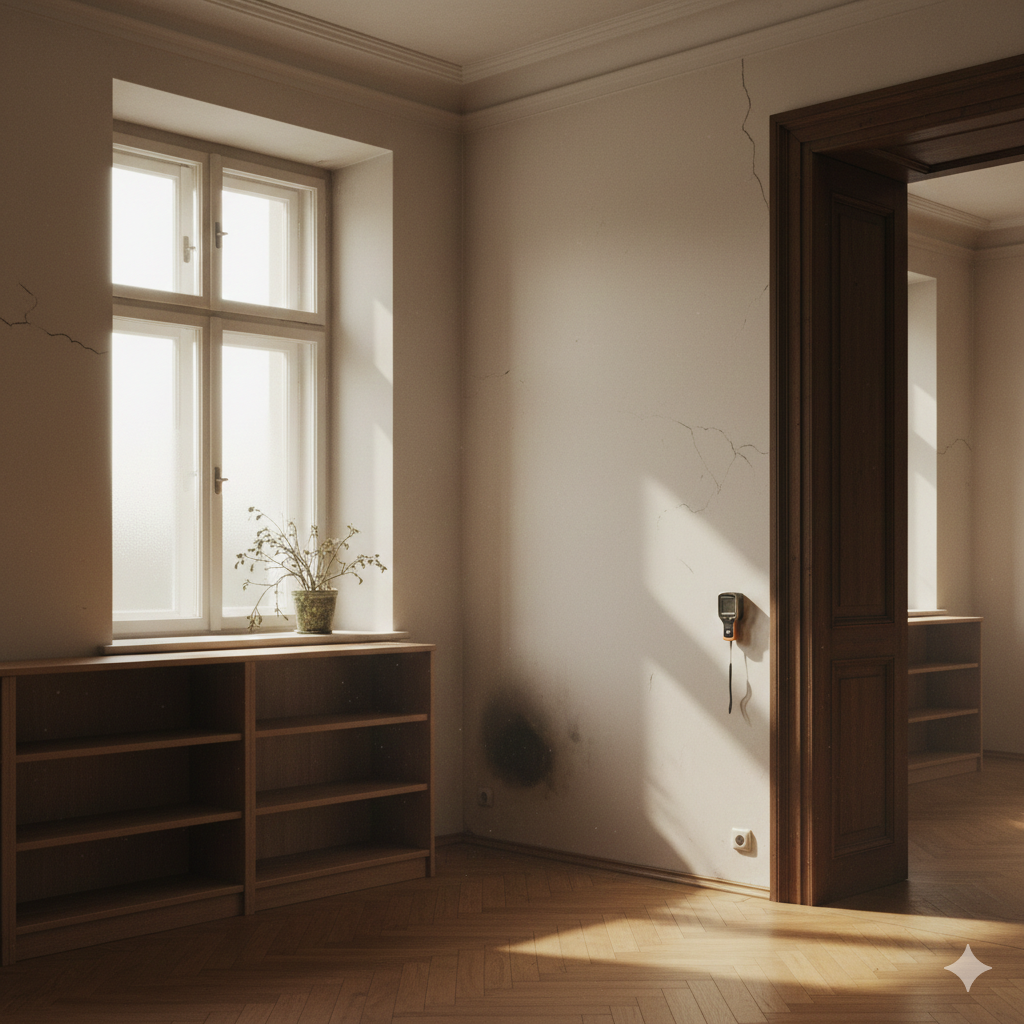
Prague's real estate is a mix of stunning historical brickwork and modern concrete builds. While these properties are durable, they are not "set and forget" assets. Often, a building's technical health is whispered in small details long before it shouts in expensive repairs. Whether you are a landlord protecting your yield or a homeowner protecting your equity, here are the five red flags that signify your Prague apartment requires professional attention.
Sign 01 · Window & Sealing Failure
The "Ghost" Draft
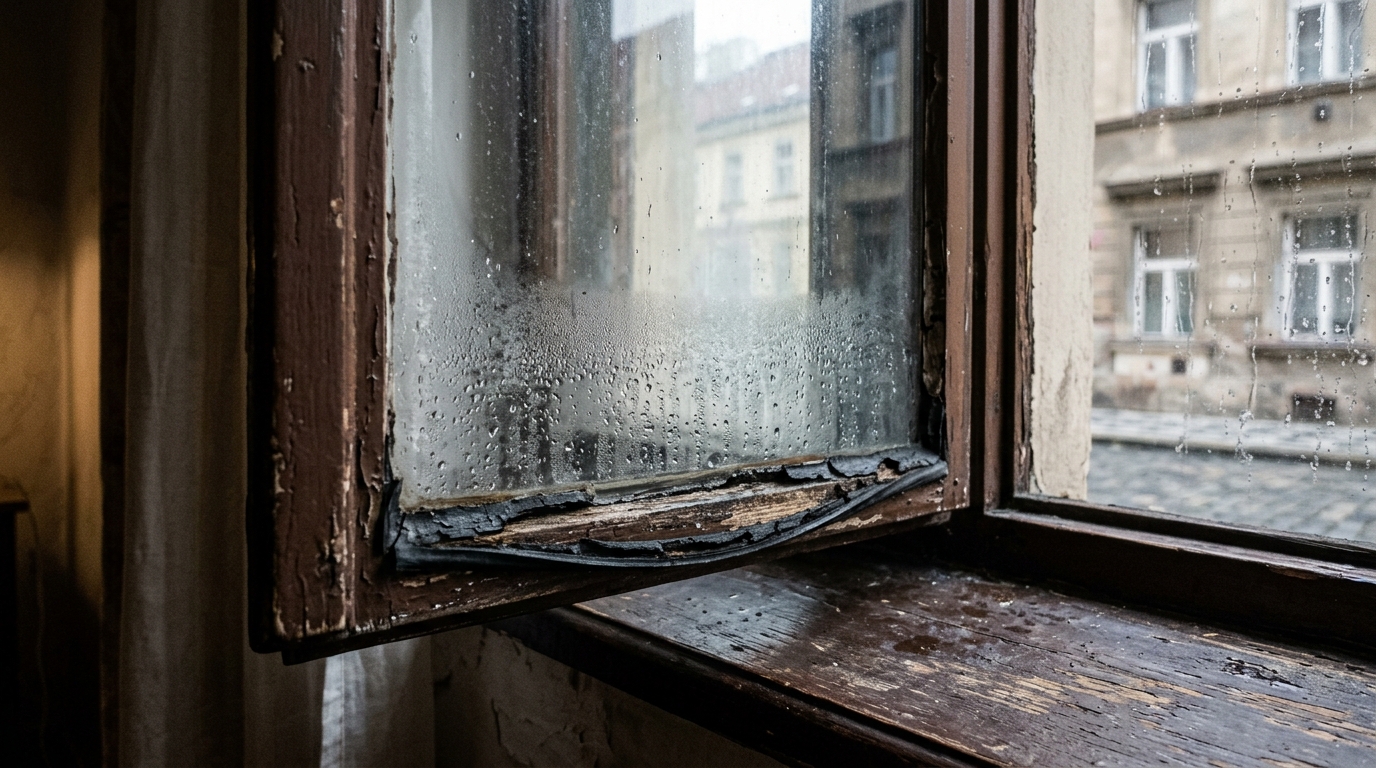
Prague winters are relentless on window seals. If you feel a slight breeze while the windows are closed, or if you notice condensation trapped between the panes of glass, your thermal envelope is compromised.
In older buildings (činžáky), the original double-box windows often suffer from wood rot or poor fitting. In new builds, it's usually the rubber gaskets that have perished. Ignoring this leads to a "Heating Tax" — where 20% of your energy bill is simply leaking into the street.
Sign 02 · Moisture & Ventilation Performance
The "Corner Shadow"
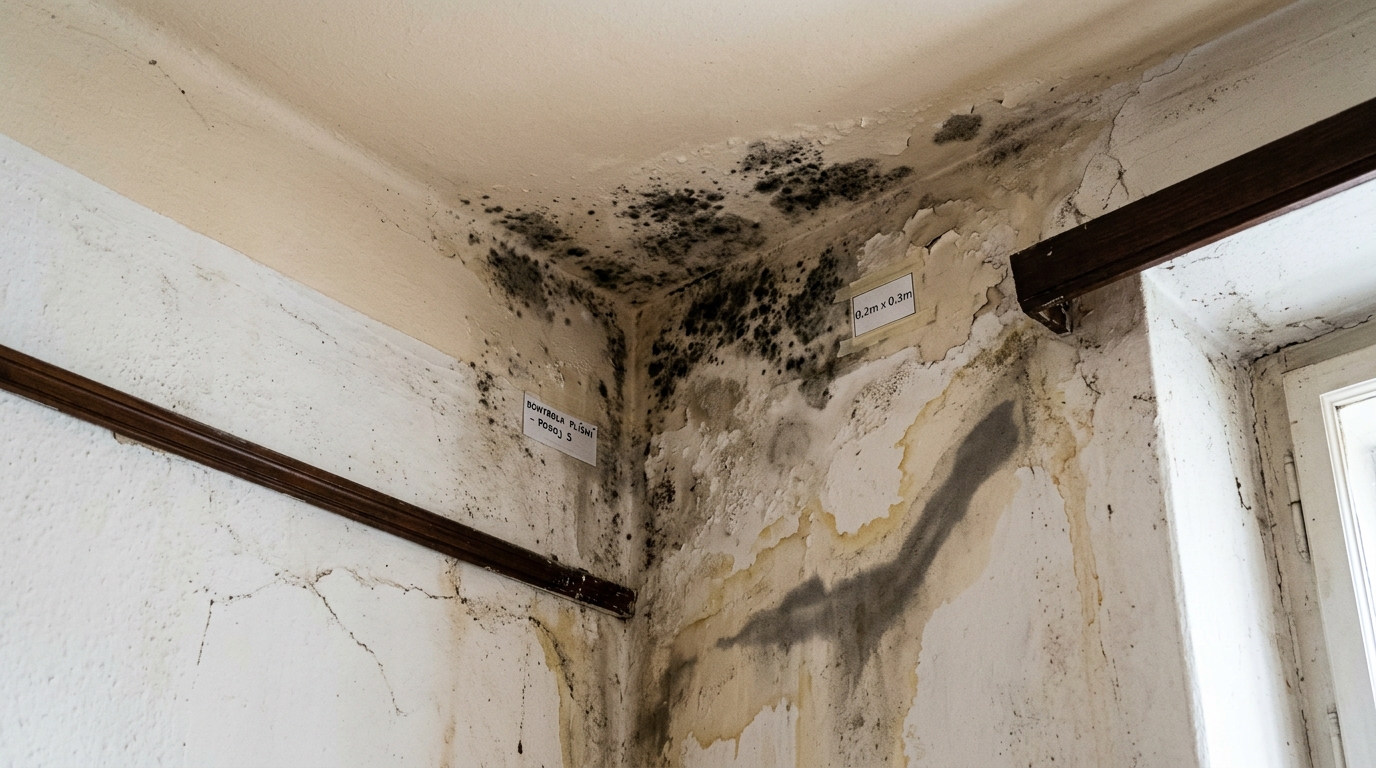
If you notice a dark tint in the upper corners of a room or behind large wardrobes, it is rarely just dust. In the Prague climate, this is the first stage of mold growth caused by a thermal bridge.
This often happens after a renovation where new windows were installed without upgrading the ventilation. The apartment becomes "too airtight," trapping humidity. If your bathroom fan sounds like a jet engine but the mirror stays foggy for 20 minutes after a shower, your ventilation is failing.
Sign 03 · Structural Movement
Hairline Cracks Near Door Frames
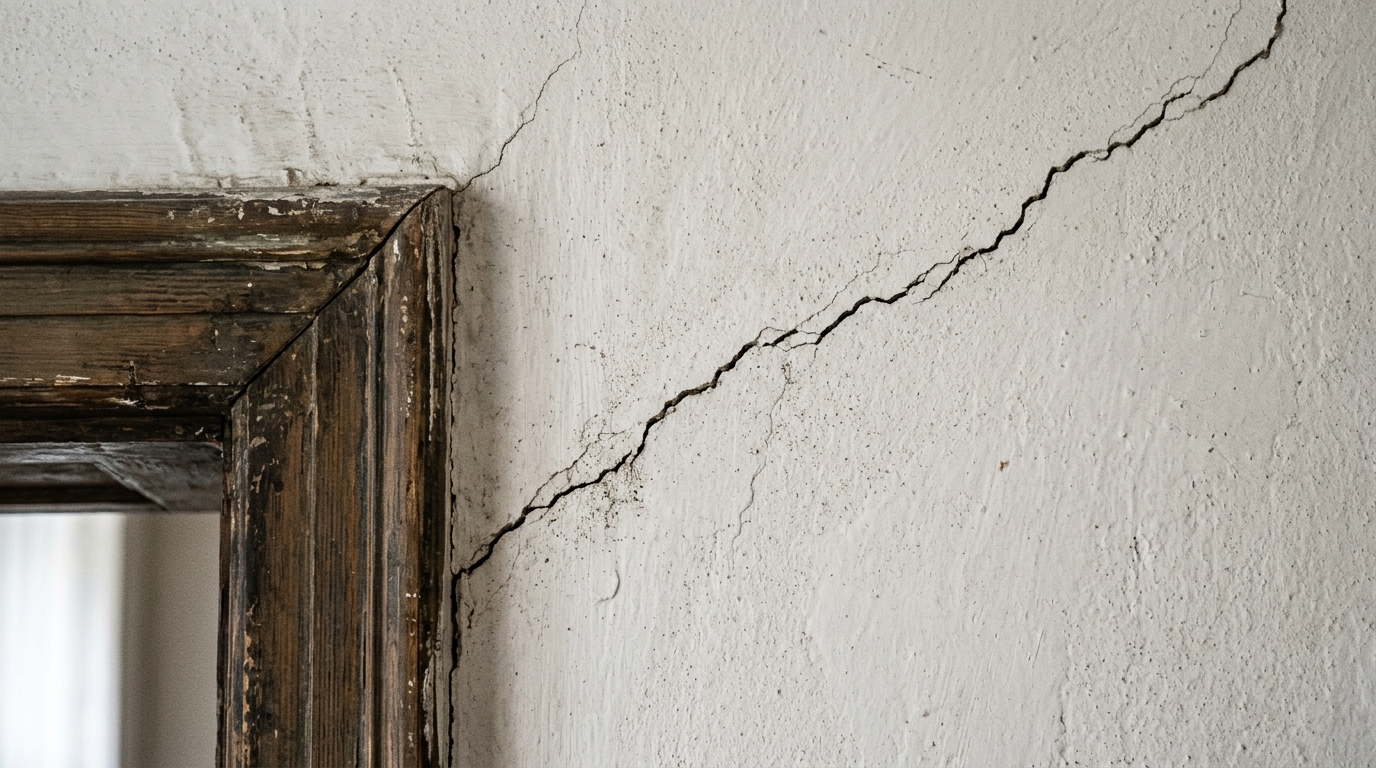
Prague's subsoil, particularly in areas like Libeň, Vysočany, or the slopes of Vinohrady, can lead to subtle building settlement. While tiny "spider-web" cracks in plaster are often cosmetic, diagonal cracks starting from the corners of door frames or windows are a signal of movement.
If a door that used to close perfectly now sticks or scrapes the floor, the "Technical Organism" of the building is shifting. This needs a technical baseline to determine if the movement is historic or active.
Sign 04 · Plumbing Under Stress
Fluctuating Water Pressure or "Hammering" Pipes
If your shower pressure drops when a neighbor flushes, or if you hear a "thumping" sound (water hammer) when you turn off a tap, your plumbing system is under stress.
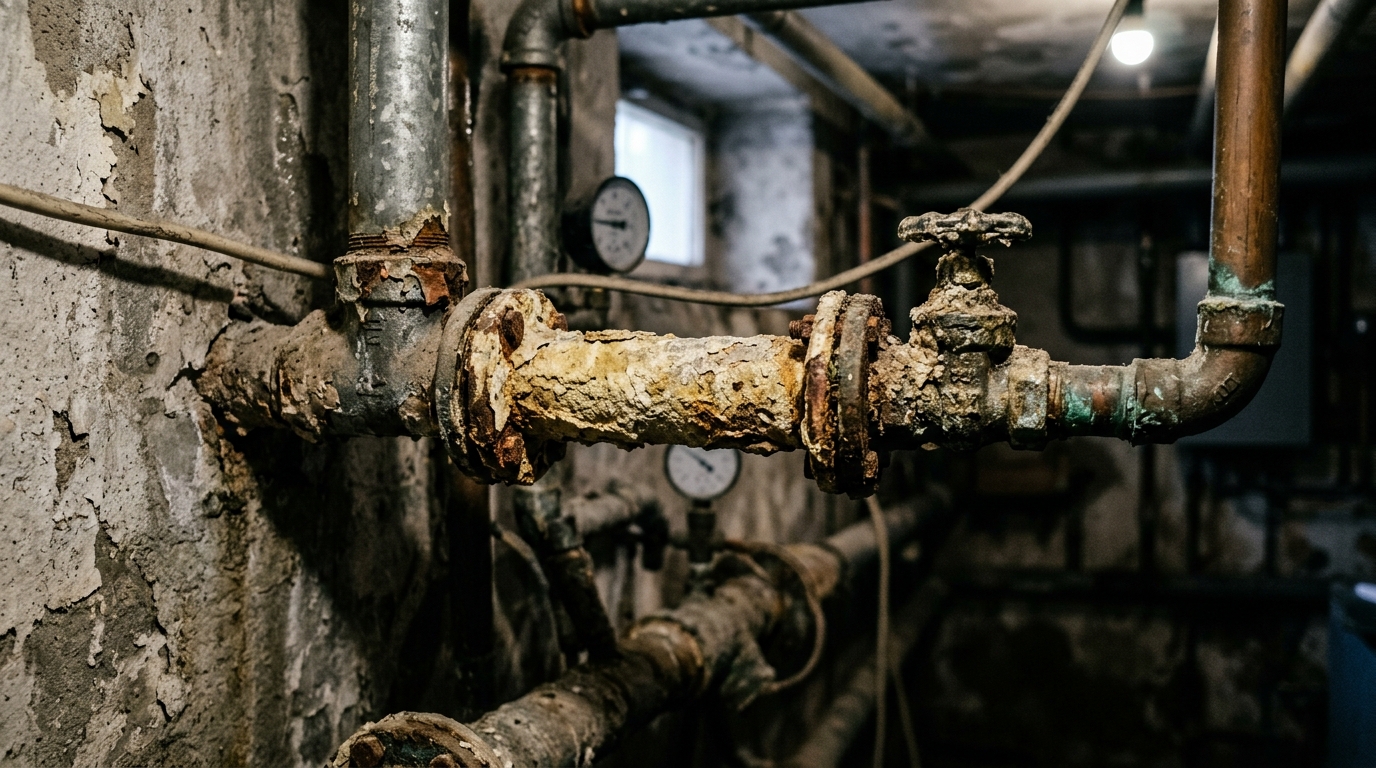
In older Prague districts, many buildings still have aging horizontal distribution pipes. Fluctuating pressure often points to a failing pressure-reducing valve or a buildup of limescale and sediment. Left unchecked, this pressure stress is the primary cause of burst pipes behind tiles — the most expensive "surprise" a landlord can face.
Sign 05 · Ground-Level Humidity
The "Sokl" & Ground-Level Humidity
For those owning ground-floor or "-1 floor" units (popular in Prague's hilly terrain), the sokl — the lower exterior edge of the building — is your first line of defense.
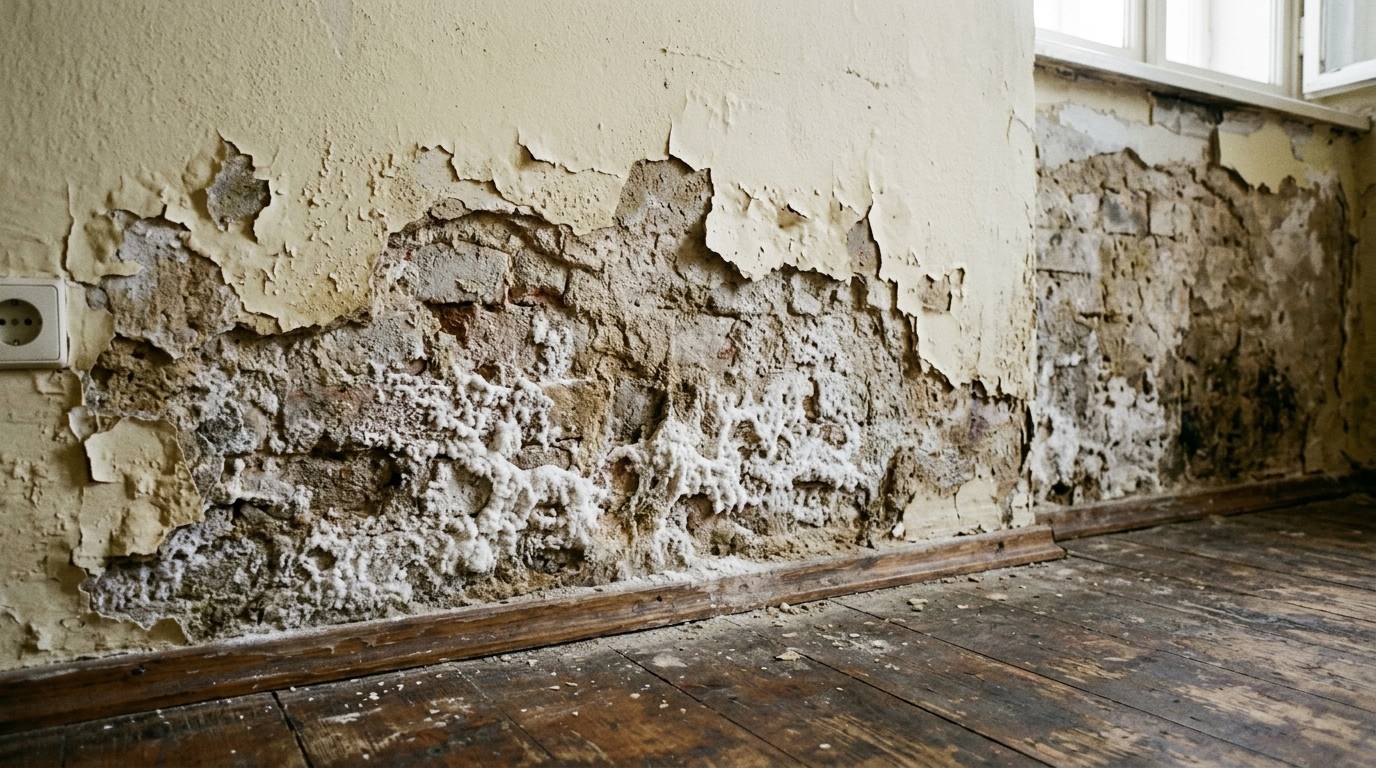
If you see peeling paint or "salty" white deposits (efflorescence) on the interior walls near the floor, the building's horizontal moisture barrier has likely failed. In Prague's older brick stock, ground moisture can travel up the walls through capillary action, destroying the value of your renovation from the inside out.
The TUTEL Principle
“Most property issues in Prague are cheap to fix when they are Signs, but incredibly expensive when they become Emergencies.”
Don't Guess. Get a Technical Health Report.
If you've noticed any of these signs, you don't need a handyman — you need a technical audit. TUTEL provides the independent, data-driven clarity you need to protect your asset.