
Two Problems, Two Sources
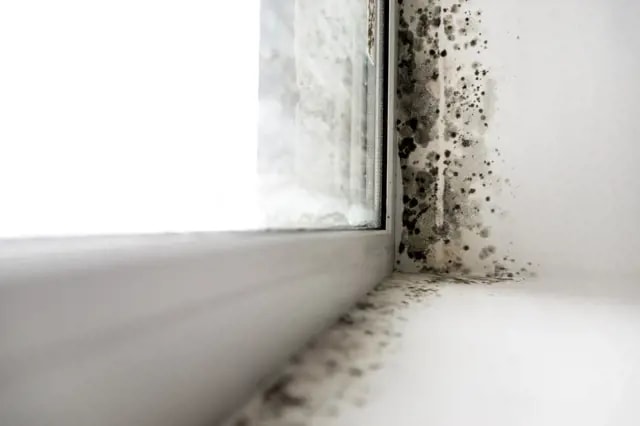
"Mould in the upper corners of a room" is almost always a ventilation problem — condensation due to thermal bridges, where warm humid air hits a cold surface. It is annoying but fixable cheaply.
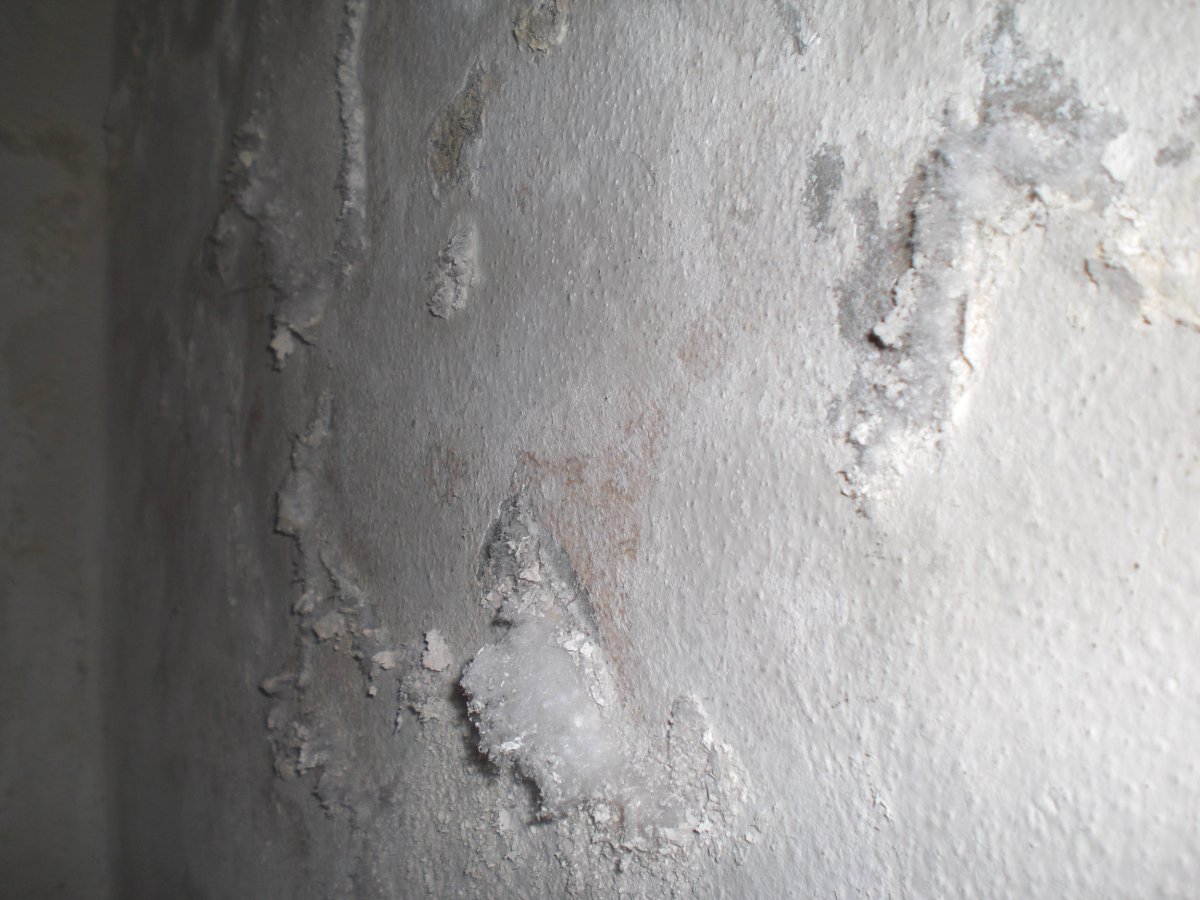
"Saltpetre (white crystals) and peeling plaster at floor level" is structural rising damp. Ground moisture is migrating through the masonry. This is expensive and invasive to fix.
Key diagnostic: if the damage is at ceiling height → thermal bridge. If it is at skirting-board level → rising damp. If it is everywhere → you have both.
The Plastic Window Trap
Old Prague brick apartment buildings were designed to "breathe" — gaps in original windows provided passive air exchange.
When PVC windows are installed without a ventilation (recuperation) system, the building becomes airtight. Humidity from cooking and bathing has nowhere to go. Result: condensation mould appears within 1–2 years of the renovation.
The fix is not to remove the new windows — it is to install a recuperation unit or at minimum HRV vents. Budget: 15,000–40,000 CZK depending on flat size.
Warning sign at viewing: new PVC windows in a pre-1950 brick building with no visible ventilation unit = high mould risk.
“The wall does not lie, but you need to know where to look. Rising damp at the floor and mould at the ceiling are two different diagnoses with two different price tags.”
Reading the Wall — What to Look For at Viewing
Saltpetre
White fluffy or crystalline deposits at skirting-board level. Structural problem.
Tide marks
Horizontal staining at a consistent height on external walls — shows water has been present at that level seasonally.
Plaster delamination at floor level
Plaster is literally being pushed off the wall from behind by moisture pressure.
Smell
A persistent earthy/mineral smell (not musty mould) in rooms with no visible damage — moisture is present inside the wall.
Thermal camera finding
Cold floors and cold lower walls even with heating on.
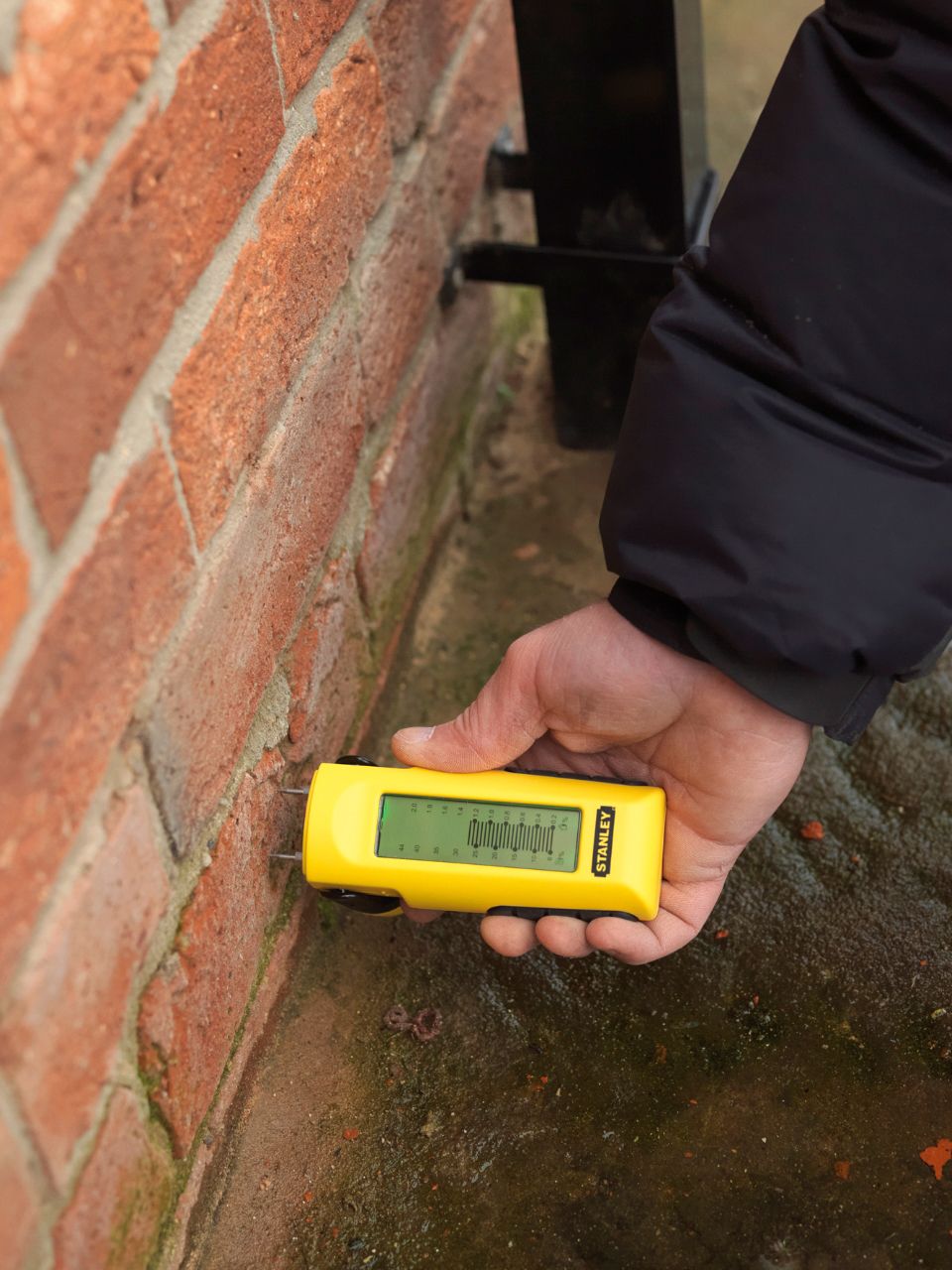
Worried about a ground-floor unit you're viewing? See our Radlice Case Study to see how we verify moisture.
Why Professional Measurement Matters Before Buying
A visual inspection tells you there is a problem. Only calibrated moisture measurement (capacitive meter + speedy test) tells you how severe it is and whether it has stabilised or is progressing.
For a basement unit or ground-floor apartment, professional measurement adds ~3,000–5,000 CZK to the due diligence cost. Remediation of structural rising damp costs 100,000–400,000 CZK.
TUTEL recommendation: never purchase a ground-floor or basement unit in a pre-1960s Prague building without a dedicated moisture audit.
Related Articles
Don't Buy Damp. Buy Certainty.
A professional moisture audit before purchase is the cheapest insurance you will ever buy.